
Bathroom Washbasin Design: Balancing Function and Aesthetics
In modern homes, the bathroom is no longer just a functional space—it is also a place of comfort and style. Among all fixtures, the washbasin is one of the most frequently used, and its design directly influences the convenience, cleanliness, and atmosphere of the entire space. A well-designed washbasin should strike the right balance between practicality and aesthetics.
⸻
Size and Layout Considerations
The size of the washbasin should match the bathroom’s overall layout.
•Small bathrooms: Wall-mounted, semi-recessed, or countertop basins save space and create a more open floor area.
•Spacious bathrooms: Undermount basins paired with stone countertops offer generous storage and a seamless look, combining usability and elegance.
The height of the basin should also align with ergonomic standards to avoid discomfort during use.
⸻
Material and Texture
The choice of material determines both durability and daily experience.
•Ceramic basins: Smooth surface, easy to clean, and widely used.
•Glass basins: Modern and stylish, ideal for bold designs, though they require more delicate maintenance.
•Stone and engineered stone: Luxurious in appearance, perfect when paired with cabinetry for a premium feel.
•Stainless steel basins: More common in kitchens, but increasingly popular in minimalistic bathrooms thanks to their durability and corrosion resistance.
⸻
Pairing with Bathroom Cabinets
The washbasin and bathroom cabinet form the core of the overall design.
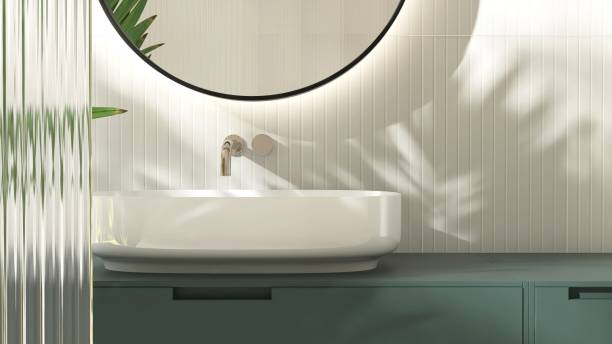
•Countertop basin: Creates a striking focal point, suitable for modern or luxury interiors, but requires careful adjustment of counter height.
•Undermount basin: Blends seamlessly with the countertop, sleek and easy to clean, ideal for minimalist or practical styles.
•Integrated basin-cabinet units: Provide a unified design with built-in storage, making them ideal for compact bathrooms.
Storage solutions such as drawers, open shelves, or concealed compartments should be planned according to daily needs.
⸻
Details Define the Experience
Beyond looks and materials, small design details shape everyday comfort.
•Faucet placement: The spout height and basin depth should be balanced to prevent splashing.
•Edge design: Rounded corners reduce injury risks and make cleaning easier.
•Drainage system: High-quality drains and strainers prevent clogs and odors.
•Ease of cleaning: Surface treatments can reduce fingerprints, water stains, and overall cleaning frequency.
⸻
Style and Atmosphere
A washbasin is not just a utility—it is also a statement piece.
•Minimalist style: Clean lines, white or neutral tones, creating a neat and airy look.
•Natural style: Warm wood cabinets and stone finishes evoke a cozy and organic feeling.
•Modern luxury: Metallic accents and dark countertops highlight refinement and sophistication.
For the best effect, the washbasin’s color, shape, and finish should harmonize with mirrors, lighting, and wall tiles, creating a cohesive bathroom atmosphere.
⸻
✅ Conclusion: A well-designed bathroom washbasin enhances both practicality and style. From materials and proportions to details and overall style, every choice contributes to daily comfort and reflects the homeowner’s taste. With the right design, even a simple daily routine becomes a pleasant experience.